In late 2025, a Kuala Lumpur-based manufacturing MNE operating in the Karawang industrial zone faced a collective labor dispute involving 200 employees during a restructuring phase. The firm’s primary error was applying Malaysian “Notice Period” logic to their Indonesian subsidiary, failing to realize that under the 2026 updates to the Omnibus Law, a termination notice without a specific “Reason Code” according to the latest government regulations is considered legally void. The resulting back-pay and administrative penalties exceeded RM 1.2 million, a cost that could have been entirely mitigated through procedural precision.
The Procedural Shift: From “Consent” to “Notice and Response”
The legal framework for employment termination in Indonesia is anchored in Law Number 6 of 2023 concerning Job Creation (hereinafter referred to as the Omnibus Law) and its primary implementing regulation, Government Regulation Number 35 of 2021 (hereinafter referred to as PP 35/2021).
As of 2026, the procedural burden on Malaysian MNEs has shifted toward a “Notice-First” system. Unlike the previous regime where every termination required prior court approval, the Omnibus Law allows employers to issue a formal Notice of Termination (Surat Pemberitahuan PHK) at least 14 business days before the effective date. However, the employee has the right to file a formal rejection within 7 business days. If a rejection is filed, the company must enter a mandatory Bipartite negotiation. Failure to document this specific 14/7-day window is the leading cause of “Unlawful Dismissal” claims in the Industrial Relations Court (PHI).
The 2026 Severance Formula: Multipliers and Logic
For Malaysian MNEs, budgeting for termination requires a deep understanding of the “Multiplier System.” Under PP 35/2021, the base severance is capped at 9 months’ salary (for 8+ years of service), but this base is multiplied depending on the reason for termination.
In 2026, the Indonesian Ministry of Manpower has heightened enforcement on these multipliers:
-
Efficiency (Due to Losses): 0.5x Severance + 1x Long Service Pay.
-
Efficiency (To Prevent Losses): 1x Severance + 1x Long Service Pay.
-
Company Closure (Force Majeure): 0.5x Severance + 1x Long Service Pay.
-
Major Misconduct (After 3 Warning Letters): 0.5x Severance + 1x Long Service Pay.
A common mistake for Malaysian HR managers is forgetting the UPH (Uang Penggantian Hak), which includes a mandatory 15% calculation for housing and medical benefits applied to the total of the Severance and Long Service Pay, as well as pro-rated annual leave.
Strategic Expert Opinion: The Legalinfo Perspective
For Malaysian MNEs, “Labor Harmony” is a financial asset that must be protected through precise documentation.
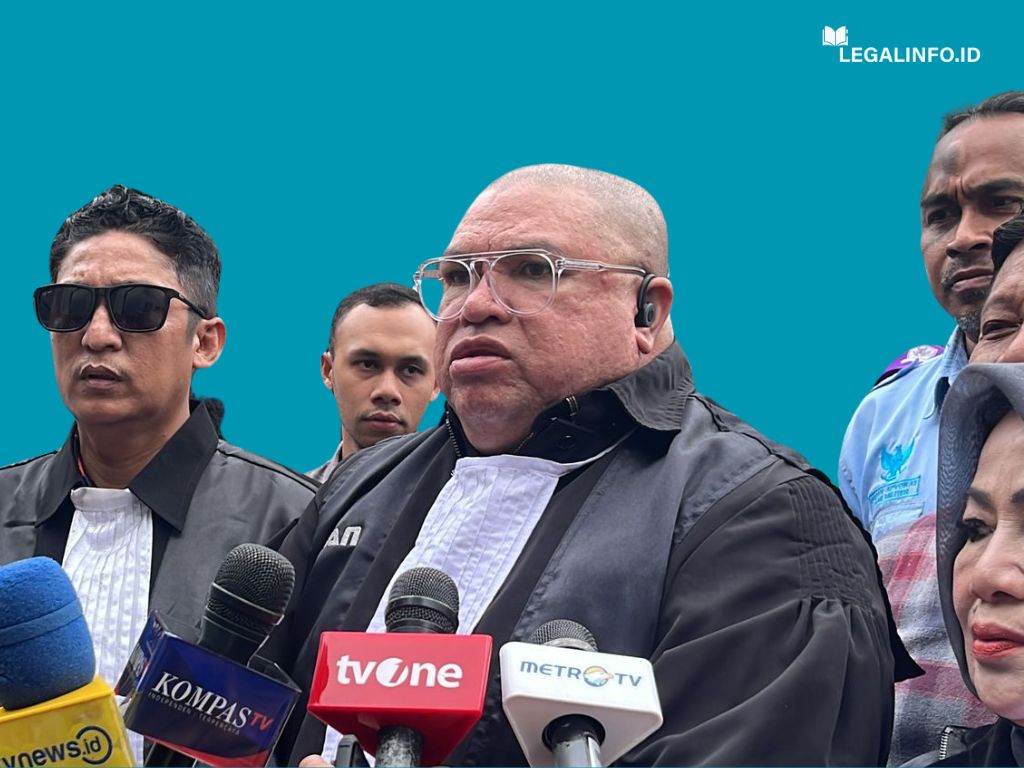
According to Gunawan Sembiring, S.H., Managing Partner Legalinfo Lawyers, Malaysian firms often struggle with the “Bipartite Minutes” requirement. In 2026, the Industrial Relations Court is increasingly rejecting termination cases where the Bipartite meeting minutes are deemed “generic” or “pro-forma.” He emphasizes that every negotiation session must have a detailed Risalah Bipartit (Minutes of Meeting) signed by both parties, clearly stating the points of disagreement. According to Gunawan, Legalinfo Lawyers focuses on securing a Joint Agreement (Perjanjian Bersama), which is then registered at the PHI. Once registered, this agreement has the finality of a court judgment, preventing the employee from reopening the case in the future.
Compliance Checklist for Malaysian HR Managers in 2026
To avoid the “PHK Trap,” Legalinfo Lawyers recommends this operational protocol:
-
Notice Code Verification: Ensure the termination notice explicitly cites the correct “Reason Code” from PP 35/2021 (e.g., Article 43 for Efficiency).
-
The 14-Day Clock: Implement a strict calendar for notice delivery. In 2026, the “Notice Date” is the timestamp for all subsequent legal deadlines.
-
Bilingual Bipartite Minutes: For Malaysian MNEs, ensure all minutes are recorded in both Indonesian (legal requirement) and English (corporate requirement) to ensure the parent company in KL understands the exact concessions being made.
-
Wage Scale Implementation: Verify that the “Last Monthly Salary” used for calculation includes all fixed allowances. In 2026, the Disnaker (Manpower Office) is auditing companies that exclude fixed “Position Allowances” from severance totals.
-
PHI Registration: Never settle for a “handshake” deal. Always finalize terminations through a Joint Agreement and ensure it is registered at the local Industrial Relations Court to achieve legal finality.
Conclusion
Termination in Indonesia is a highly technical process where “Good Faith” is not a substitute for “Legal Procedure.” For Malaysian MNEs, the 2026 Omnibus Law provides a clearer path to restructuring, but it requires a meticulous paper trail that begins long before the notice is served. By treating termination as a procedural marathon rather than a management decision, Malaysian firms can protect their Indonesian operations from the high costs of industrial disputes.