A French entrepreneur in Ubud recently faced an unexpected legal crisis when his Indonesian spouse filed for divorce. Having lived together for eight years, he assumed their “Gentleman’s Agreement” regarding their villa and shared custody would hold. Instead, he found himself facing a total loss of property rights and a restricted visitation schedule. In 2026, as the integration between the Ministry of Law and Human Rights and the Directorate General of Immigration becomes seamless, a divorce decree in Bali is no longer just a family matter it is a trigger for immediate asset restructuring and residency reassessment.
Jurisdictional Complexity: Religious vs. District Courts
Indonesia operates a dual court system for family law, a nuance that often confuses foreign nationals. Under Law Number 1 of 1974 concerning Marriage (hereinafter referred to as the Marriage Law), jurisdiction is determined by the religion under which the marriage was registered.
If the marriage was registered at the Office of Religious Affairs (KUA), the case falls under the Religious Court. For non-Muslims or marriages registered at the Civil Registry (Disdukcapil), the District Court holds jurisdiction. In 2026, the procedural burden remains on the plaintiff to prove “irreconcilable differences” under Article 19 of Government Regulation Number 9 of 1975, which acts as the implementing regulation for the Marriage Law.
Under the Marriage Law, all property acquired during the marriage is considered joint property (Harta Bersama) unless a prenuptial or postnuptial agreement dictates otherwise. However, a significant conflict exists for expats: Law Number 5 of 1960 concerning Basic Agrarian Regulations (hereinafter referred to as the Agrarian Law) prohibits foreigners from holding Hak Milik (Freehold) titles.
Child Custody: The “Best Interest” Doctrine
Child custody in Indonesia is governed by the principle of the child’s best interests. For children under 12, the Marriage Law and subsequent Supreme Court jurisprudence typically grant custody to the mother, unless she is proven unfit.
Strategic Expert Opinion: The Legalinfo Perspective
A divorce in Bali is a strategic negotiation, not just a courtroom battle.
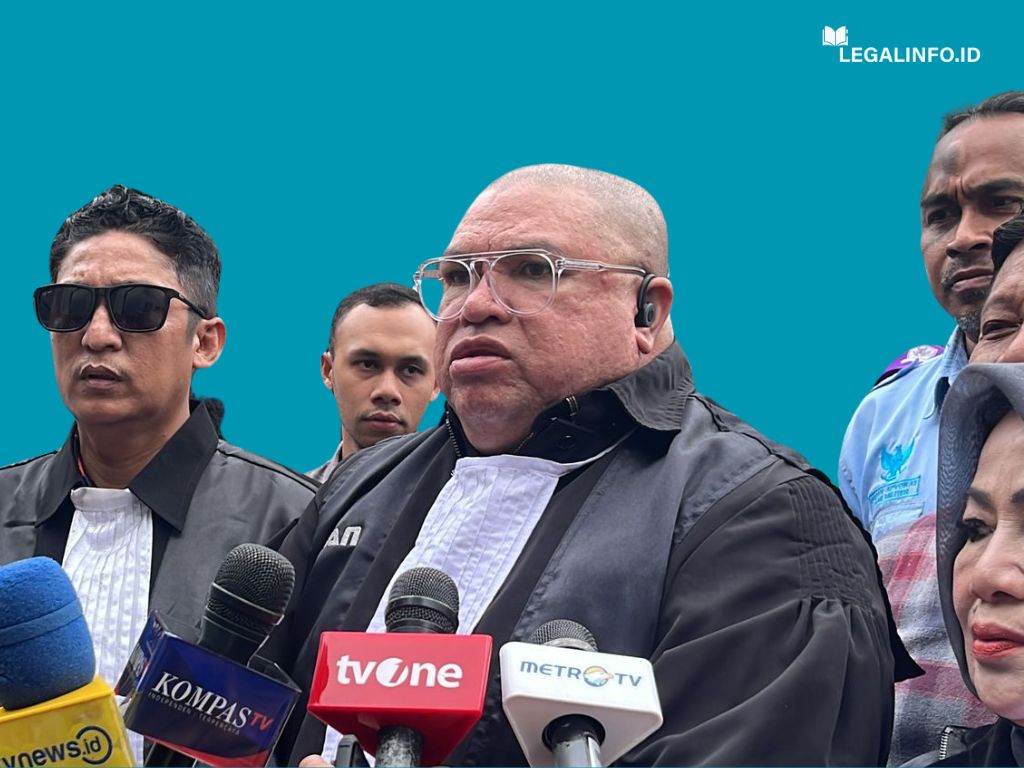
According to Gunawan Sembiring, S.H., Managing Partner Legalinfo Lawyers, the most overlooked risk for expats is their immigration status. He notes that in 2026, a marriage-sponsored KITAS or KITAP becomes void the moment the divorce decree is finalized. He emphasizes that Legalinfo Lawyers focuses on securing a “Transition Period” during the litigation process, allowing the foreign client to shift to an Investor or Work-sponsored visa before the final decree is issued. Without this foresight, an expat risks immediate deportation while their asset and custody battles are still ongoing.
The 2026 Procedural Roadmap
To navigate a divorce with minimal exposure, Legalinfo Lawyers recommends:
-
Mandatory Mediation: Prepare for the court-mandated mediation required by Supreme Court Regulation Number 1 of 2016. This is the last chance to settle assets and custody privately before a judge decides.
-
Asset Liquidation Agreement: If no prenup exists, draft a private settlement for the sale of Hak Milik properties to ensure the foreign spouse receives their 50% value before the state-mandated one-year deadline.
-
Custody & Visitation Plan: Present a detailed “Parenting Plan” to the court. Judges in 2026 are more likely to grant liberal visitation or joint custody if a structured plan is provided.
-
Immigration Contingency: Initiate the “Blue Book” (exit permit) or visa conversion process parallel to the final court hearings to avoid overstay penalties.
-
International Recognition: Ensure the Indonesian decree is legalized for use in your home country; otherwise, you may still be considered “married” under your native laws.
Conclusion
Divorce for an expat in Indonesia is a high-risk intersection of family law, property law, and immigration policy. Relying on “fairness” is a dangerous strategy when the Marriage Law and Agrarian Law impose rigid constraints on foreign rights. Professional legal mapping is the only way to ensure that while the marriage ends, your rights to your children and your capital remain intact.