A foreign furniture exporter based in Gianyar recently faced a liquidity crisis when a long-term hospitality partner defaulted on a massive order for a new resort. The exporter spent months sending polite emails and WhatsApp messages, only to be met with “promises of payment” that never materialized. By the time they sought legal counsel, the debtor had already begun restructuring their assets to avoid liability. In 2026, “polite persistence” is not a recovery strategy; it is a delay tactic used by debtors to erode your legal standing.
The Legal Framework of Default (Wanprestasi)
In the Indonesian legal system, the failure to fulfill a contractual obligation is categorized as a breach of contract. This is governed by the Indonesian Civil Code (hereinafter referred to as the Civil Code). Under Article 1238 of the Civil Code, a debtor is considered in default only after they have been formally declared so by a legal notice or a similar deed.
The Power of the Somasi (Letter of Demand)
The first and most critical step in professional debt recovery is the issuance of a formal Somasi. This is not merely a “reminder” but a legal instrument that serves three functions:
It officially places the debtor in a state of default under the Civil Code.
It sets a strict final deadline for payment.
It signals that the creditor has engaged professional legal counsel, shifting the dispute from a personal matter to a formal legal threat.
In 2026, the effectiveness of a Somasi is amplified by the integration of the NIB (Business Identification Number) system. A formal legal warning from a licensed firm like Legalinfo Lawyers can impact a debtor’s reputation and their standing within the OSS (Online Single Submission) system if the dispute escalates to administrative reporting.
Strategic Expert Opinion: The Legalinfo Perspective
Effective debt recovery in Bali requires a balance between commercial negotiation and aggressive litigation readiness.
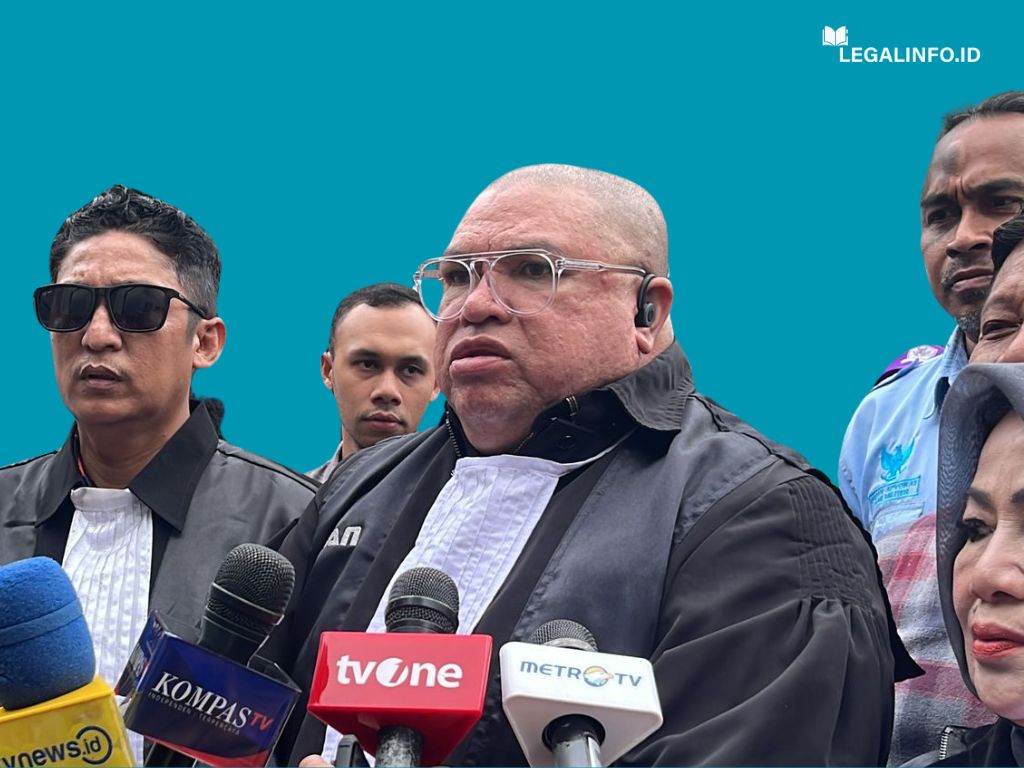
According to Gunawan Sembiring, S.H., Managing Partner Legalinfo Lawyers, the “golden window” for debt recovery is within the first 60 days of default. He notes that in Bali’s transient business environment, debtors often attempt to dissolve their PT PMA or move assets to other entities when they feel the heat. He emphasizes that Legalinfo Lawyers prioritizes “Precautionary Attachments” (Sita Jaminan) during the litigation process to ensure that once a judgment is won, there are actually assets left to seize. Without securing the assets early, a court victory is nothing more than an expensive piece of paper.
Practical Steps for Reclaiming Unpaid Debts
To maximize the probability of recovery, Legalinfo Lawyers recommends the following tactical path:
Document Audit: Ensure you have the original signed contract, invoices, and proof of delivery. Under the Civil Code, written evidence is the primary pillar of your claim.
The Three-Stage Somasi: Issue a series of increasingly firm letters. Often, the transition from a standard firm letter to a “Final Warning” is enough to trigger a settlement.
Asset Tracing: Before filing a lawsuit, conduct a discreet investigation into the debtor’s assets, including land titles (Sertifikat) and registered vehicles.
Small Claims Court (Gugatan Sederhana): If the debt is under IDR 500 million, utilize the Small Claims procedure which, under Supreme Court Regulation Number 4 of 2019, offers a much faster resolution (usually within 25 days) compared to standard civil litigation.
Bankruptcy Petition (PKPU/Pailit): For larger corporate debts, filing for a Suspension of Debt Payment Obligation (PKPU) is a high-pressure tactic that forces the debtor to provide a restructuring plan or face immediate liquidation.
Conclusion
Debt recovery in Bali is a race against time and asset dissipation. While the island’s culture may feel relaxed, the legal enforcement of the Civil Code is rigid. Using professional debt recovery services ensures that your approach is legally compliant, preventing the debtor from filing counter-claims of harassment or defamation while maximizing your chances of a full financial recovery.