In early 2026, a Malaysian logistics provider found itself in a liquidity crunch after its primary Jakarta-based distribution partner defaulted on invoices totaling Rp450 million. The Malaysian firm spent months sending informal reminders via messaging apps, only to find that the local partner had used that time to move liquid assets to a sister company. By the time they engaged legal counsel, they had missed the critical window for a “Precautionary Attachment.” In Jakarta’s fast-moving B2B environment, delaying formal legal action is not “preserving a relationship” it is providing your debtor with an interest-free loan at the expense of your own survival.
The Power of the Formal Warning (Somasi)
Under the Indonesian legal framework, particularly Undang-Undang Hukum Perdata (selanjutnya disebut KUHPerdata), a debtor is not legally in default until they have been formally declared so. Article 1238 of the KUHPerdata stipulates that a debtor is considered in default by a warrant or other similar deed.
For a B2B creditor, this means the first and most critical practical step is the issuance of a formal Somasi (Letter of Demand). In 2026, a Somasi from a reputable Jakarta firm like Legalinfo Lawyers serves three functions:
Legal Maturation: It officially places the debt in a state of default, allowing for the accrual of legal interest.
Evidentiary Foundation: It serves as mandatory proof of “bad faith” required before any court will accept a lawsuit.
Psychological Pressure: It shifts the dispute from an administrative oversight to a formal legal threat that can affect the debtor’s “Good Standing” in the OSS RBA system.
Small Claims Court: The “Gugatan Sederhana” Solution
For many B2B disputes in Jakarta where the debt is under Rp500 million, the standard civil litigation process is often too slow and costly. However, under Peraturan Mahkamah Agung Nomor 4 Tahun 2019 (selanjutnya disebut PERMA 4/2019), creditors can utilize the Gugatan Sederhana (Small Claims Court) mechanism.
In 2026, the Gugatan Sederhana remains the most efficient legal path for debt recovery because:
Speed: The case must be resolved within 25 business days from the first hearing.
Simplicity: It is presided over by a single judge, and the evidentiary requirements are streamlined.
Finality: There is no right to appeal (Banding) or Cassation (Kasasi). The only available remedy is a “Keberatan” (Objection) to the same District Court, which must be decided within 7 days.
Strategic Expert Opinion: The Legalinfo Perspective
Success in Jakarta debt recovery depends on “Asset Visibility” long before the first court hearing.
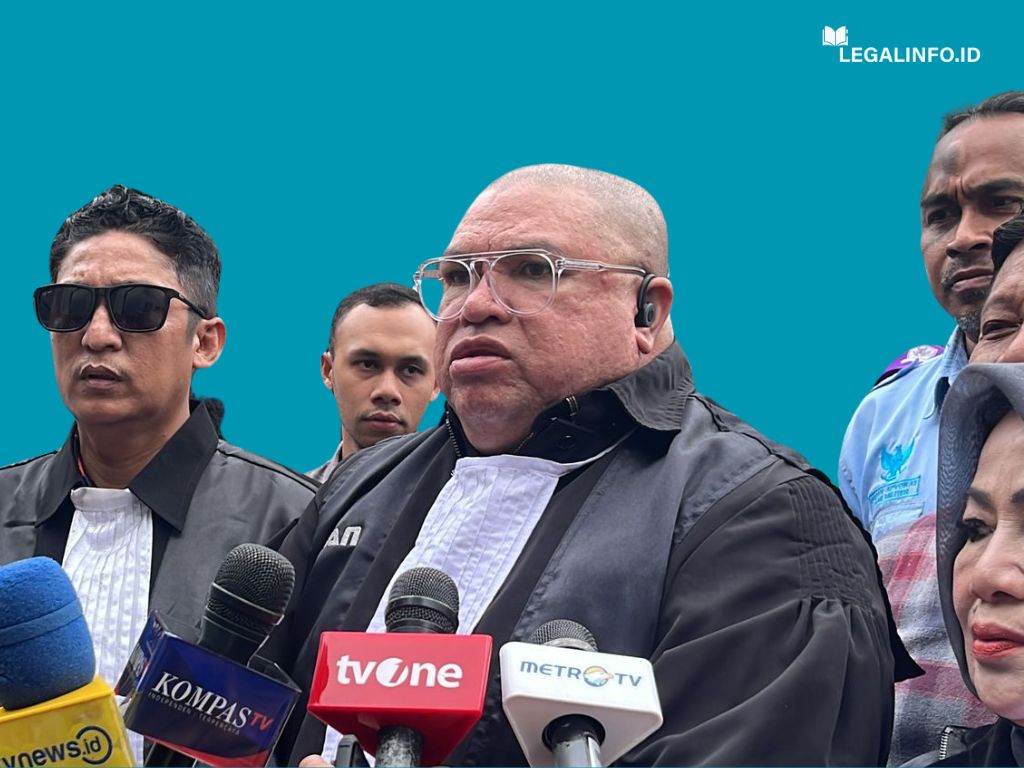
According to Gunawan Sembiring, S.H., Managing Partner Legalinfo Lawyers, many creditors win the battle but lose the war because they fail to identify the debtor’s assets early. He notes that in 2026, the digitalization of the Land Office (BPN) and the Ministry of Law’s database allows for faster asset tracing. He emphasizes that Legalinfo Lawyers always includes a request for Sita Jaminan (Conservatory Attachment) in the initial lawsuit. According to Gunawan, if you do not freeze the debtor’s bank accounts or property at the start of the litigation, you may end up with a “Paper Victory” a winning judgment with no physical assets left to seize for execution.
Practical Checklist for Jakarta B2B Recovery
To maximize your recovery chances in 2026, follow this operational protocol:
Original Document Audit: Gather all signed Purchase Orders (PO), Invoices, and Delivery Orders (DO). Under the KUHPerdata, photocopies have minimal weight; the judge will demand to see the originals.
The Two-Stage Somasi: Issue a 7-day warning followed by a final 3-day warning. This demonstrates the creditor’s extreme “good faith” and the debtor’s persistent “bad faith.”
File Gugatan Sederhana: If the debt is ≤ Rp500 million, file the claim at the District Court (Pengadilan Negeri) where the debtor is domiciled (e.g., PN Jakarta Pusat or PN Jakarta Selatan).
Request Sita Jaminan: Explicitly ask the judge to place a lien on the debtor’s known assets (land, vehicles, or bank accounts) to prevent asset dissipation during the trial.
Execution Request: Once the judgment is final and binding (Inkracht), immediately file for an “Anmaning” (Warning for Execution). If they still don’t pay, the court will auction the seized assets to satisfy your debt.
Conclusion
Reclaiming B2B debt in Jakarta requires a shift from “negotiation” to “procedural execution.” While the KUHPerdata provides the rights, the Gugatan Sederhana and PERMA 4/2019 provide the speed. For a business partner, the sight of a formal Somasi or a court-ordered asset freeze is often the only incentive needed to settle. In the Jakarta of 2026, the most successful creditors are those who act decisively, document meticulously, and secure assets early.