In early 2026, a Japanese industrial conglomerate faced a high-stakes investigation by the Corruption Eradication Commission (KPK) after a middle-manager at their Bekasi plant was caught in a “facilitation payment” scheme to expedite environmental permits. Unlike previous years where liability might have stopped at the individual, the new 2026 legal framework allowed the prosecutor to target the Japanese resident directors personally. The charge? Failing to implement an effective “preventive mechanism” that could have stopped the illicit transaction.
For Japanese executives, the era of “administrative distance” has ended. In 2026, the Indonesian legal system treats corporate management not just as supervisors, but as the primary guarantors of ethical integrity.
The New 2026 Legal Landscape: Corporate Criminal Liability
The most significant shift in the Indonesian legal system is the formal implementation of Law Number 1 of 2023 concerning the Criminal Code (hereinafter referred to as the New Criminal Code), effective as of January 2, 2026. This landmark legislation, alongside Law Number 20 of 2001 concerning the Eradication of Criminal Acts of Corruption (hereinafter referred to as the Anti-Corruption Law), officially recognizes the corporation as a criminal subject.
Under Article 48 of the New Criminal Code, a corporation and by extension its management is criminally liable if a crime is committed for the benefit of the corporation and the corporation “failed to take the necessary steps to prevent the offense.” For a Japanese director, this means that ignorance of a local staff’s actions is no longer a valid legal defense.
The PERMA 13/2016 Shield: Adequacy of Compliance
While the New Criminal Code expands liability, it also codifies the “Compliance Defense” first introduced by Supreme Court Regulation Number 13 of 2016 concerning Procedures for Handling Criminal Cases by Corporations (hereinafter referred to as PERMA 13/2016).
Under PERMA 13/2016, the court will assess whether a corporation should be punished based on whether it has implemented “preventive measures” to avoid criminal acts. For Japanese firms, this creates a mandatory requirement to move beyond “paper compliance” (merely having a code of conduct) to “operational compliance” (active monitoring and whistleblowing systems). If a Japanese director can prove that a robust, localized anti-bribery system was in place, the personal and corporate liability can be significantly mitigated or dismissed.
Strategic Expert Opinion: The Legalinfo Perspective
Japanese directors must bridge the gap between Tokyo’s global policies and Indonesia’s local realities.
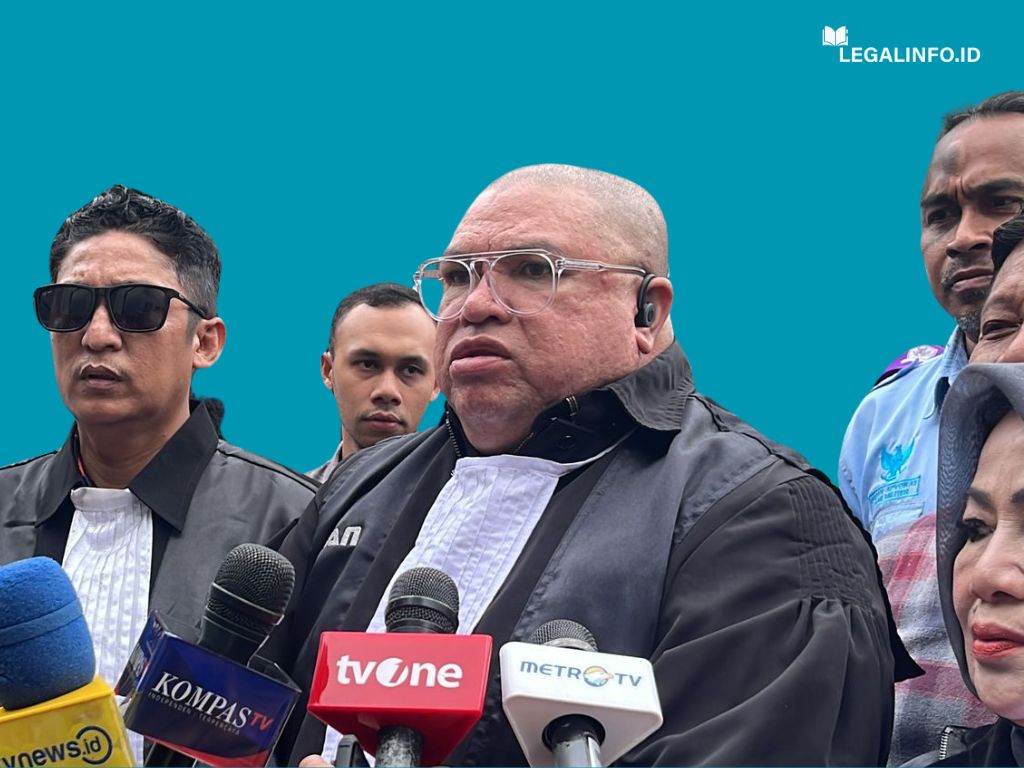
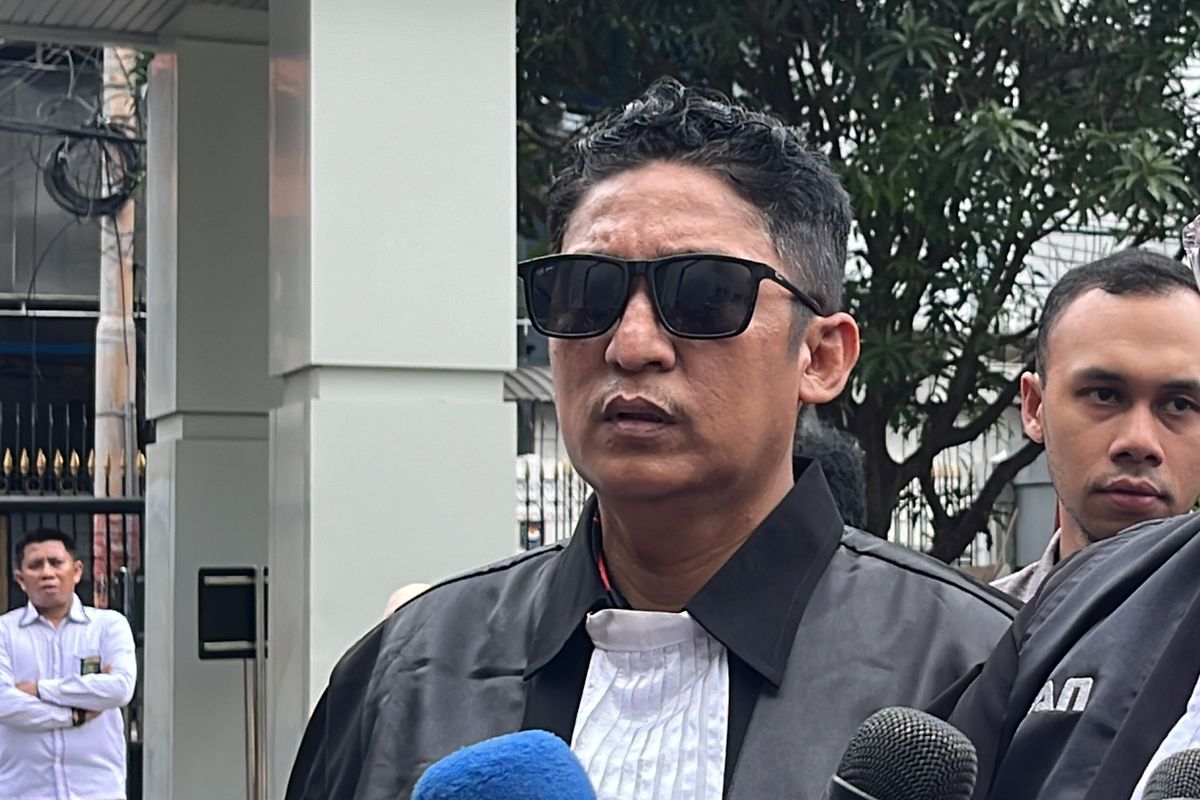
According to Gunawan Sembiring, S.H., Managing Partner Legalinfo Lawyers, the most critical risk for Japanese executives in 2026 is the “Implicit Authorization” trap. He notes that many Japanese firms inadvertently allow “Success Fees” to third-party consultants or agents without verifying the final destination of those funds. He emphasizes that in 2026, the KPK and the National Police are specifically targeting “Third-Party Intermediaries.” According to Gunawan, if a Japanese director signs off on a payment to an agent that eventually becomes a bribe, the director can be held liable for “willful blindness” unless they conducted a rigorous, documented due diligence on that agent.
5 Essential Safeguards for Japanese Directors in 2026
To ensure maximum protection against corporate criminal charges, Legalinfo Lawyers recommends the following institutional safeguards:
-
Localized Anti-Bribery Policy: Translate and adapt Tokyo’s global compliance standards into specific Indonesian operational procedures, citing the Anti-Corruption Law and PERMA 13/2016.
-
Third-Party Due Diligence (TPDD): Implement a mandatory vetting process for all local consultants, agents, and distributors. Any payment must be tied to a specific, verifiable service.
-
Active Whistleblowing System: Establish a secure channel for local employees to report unethical requests from government officials without fear of retaliation.
-
Director’s “No-Conflict” Minutes: Every major board decision involving government licenses or procurement must be documented in formal Minutes of Meeting, explicitly stating the commitment to non-corrupt practices.
-
Periodic Compliance Audits: Conduct “surprise” audits of high-risk departments (Permitting, Procurement, and Sales) to ensure that internal controls are being followed on the ground, not just on paper.
Conclusion
In 2026, the “reputational risk” that Japanese firms fear most has evolved into a “personal liberty risk” for their directors. The New Criminal Code has fundamentally raised the stakes of doing business in Indonesia. However, by leveraging the defensive framework of PERMA 13/2016, Japanese corporations can build a “legal fortress” that protects their directors and their assets. Compliance is no longer an administrative cost; it is the ultimate insurance policy for Japanese capital in Indonesia.